Reliable optical material for low prescriptions.
independent eyewear / optical laboratory
Built around
how you see.
Precision frames, prescription lenses and optical adjustments designed as one system — not three separate purchases.
48 mm
21
145
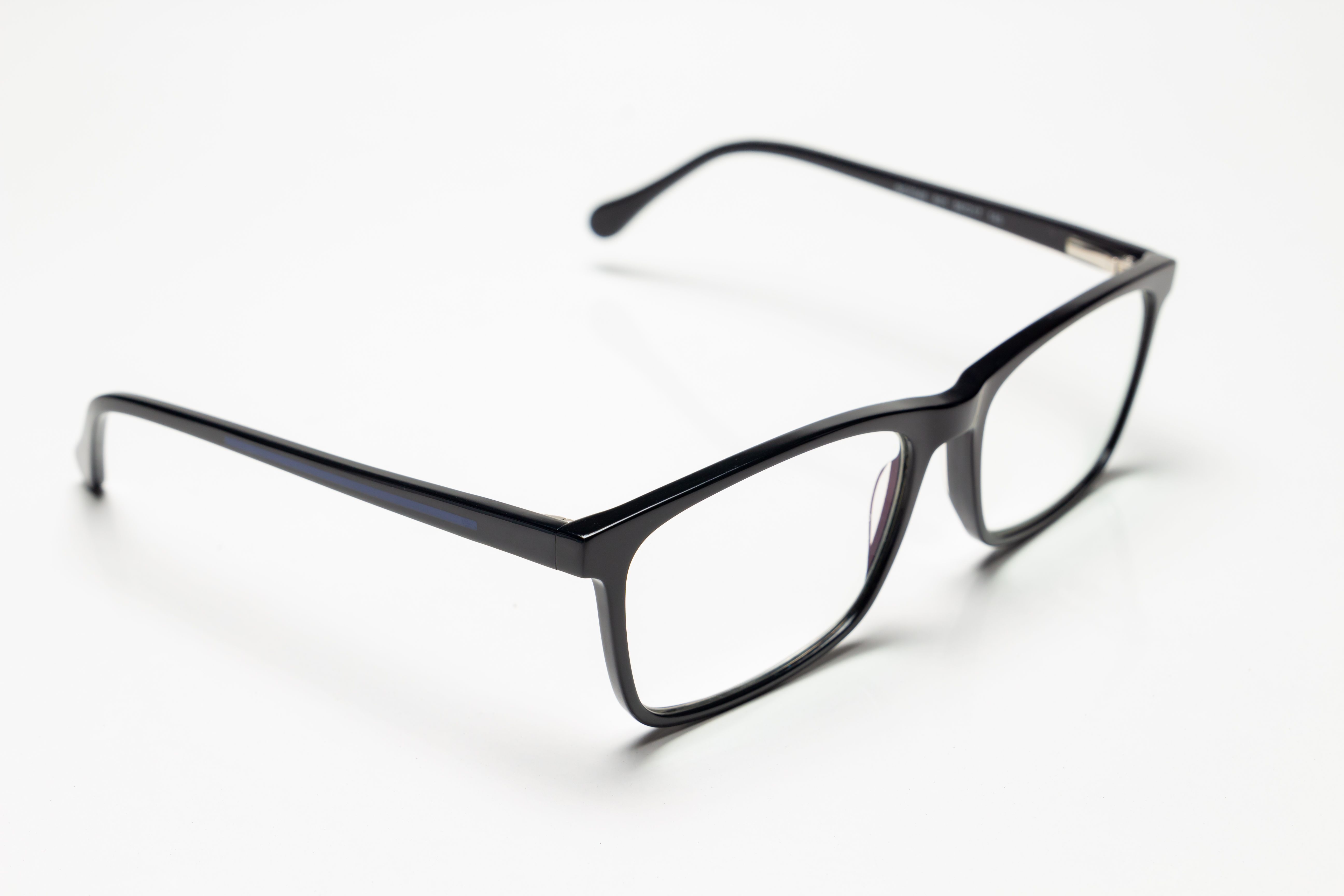
A pair of glasses is a mechanical object, an optical instrument, and something you wear on your face every day.
We design for all three.

ON THE FACE / By Bùi Hoàng Long
A frame can look unlike you on a table and completely different once it meets YOUR face.
FRAMES / 01
The core collection.
Five geometries. Deliberate proportions. Materials chosen for adjustment, repairability and long wear.
47 □ 20 — 145

Acetate
Plant-derived cellulose acetate, cut from sheet, polished by hand and heat-adjustable at the bench.
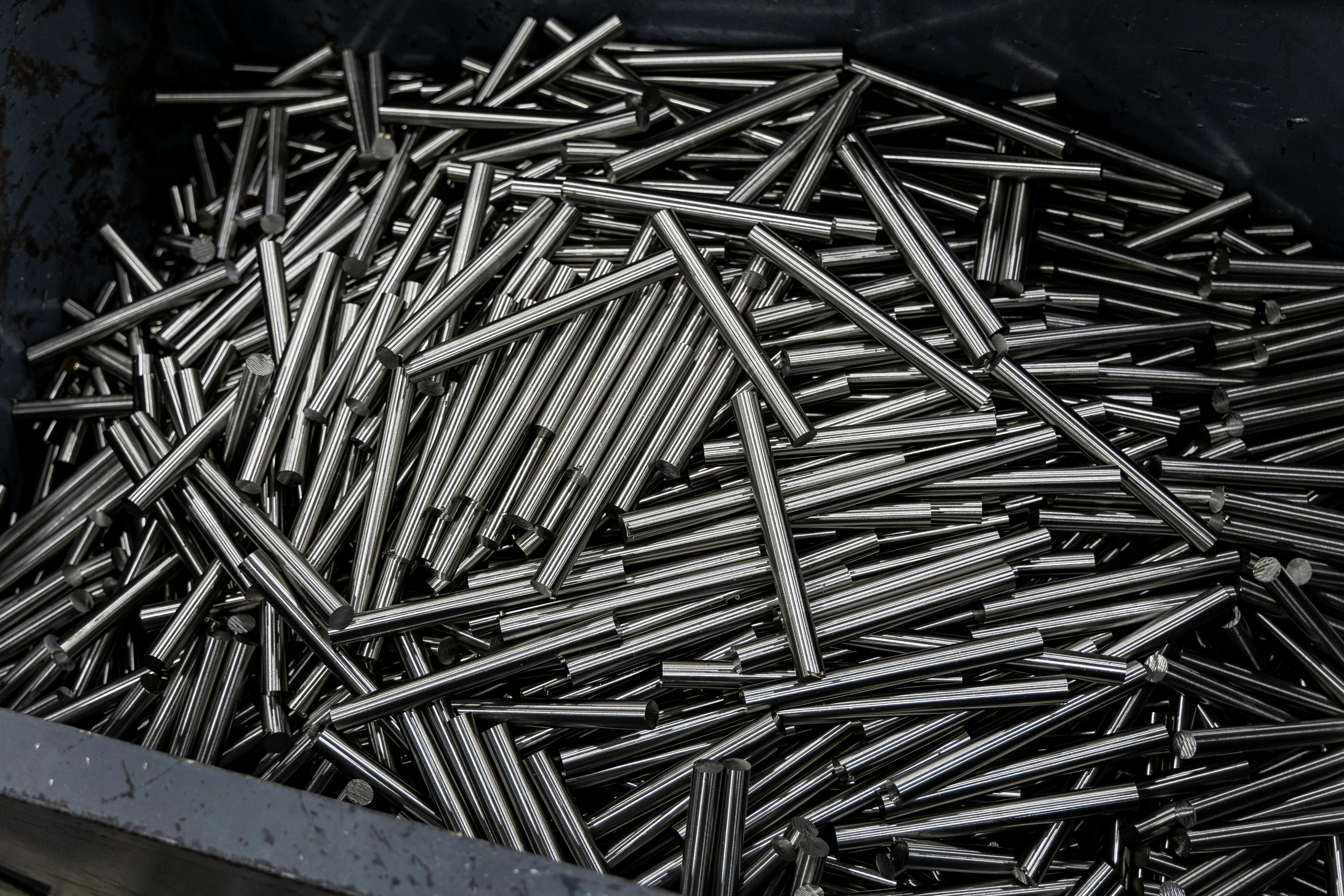
Titanium
Lightweight, corrosion-resistant and particularly useful where fine adjustment matters.

Steel
Thin sections, crisp geometry and enough rigidity to hold alignment over years of use.
KERN LENS LAB / 02
The frame is only half the instrument.
Prescription, material, coating and position all affect what reaches your eye.
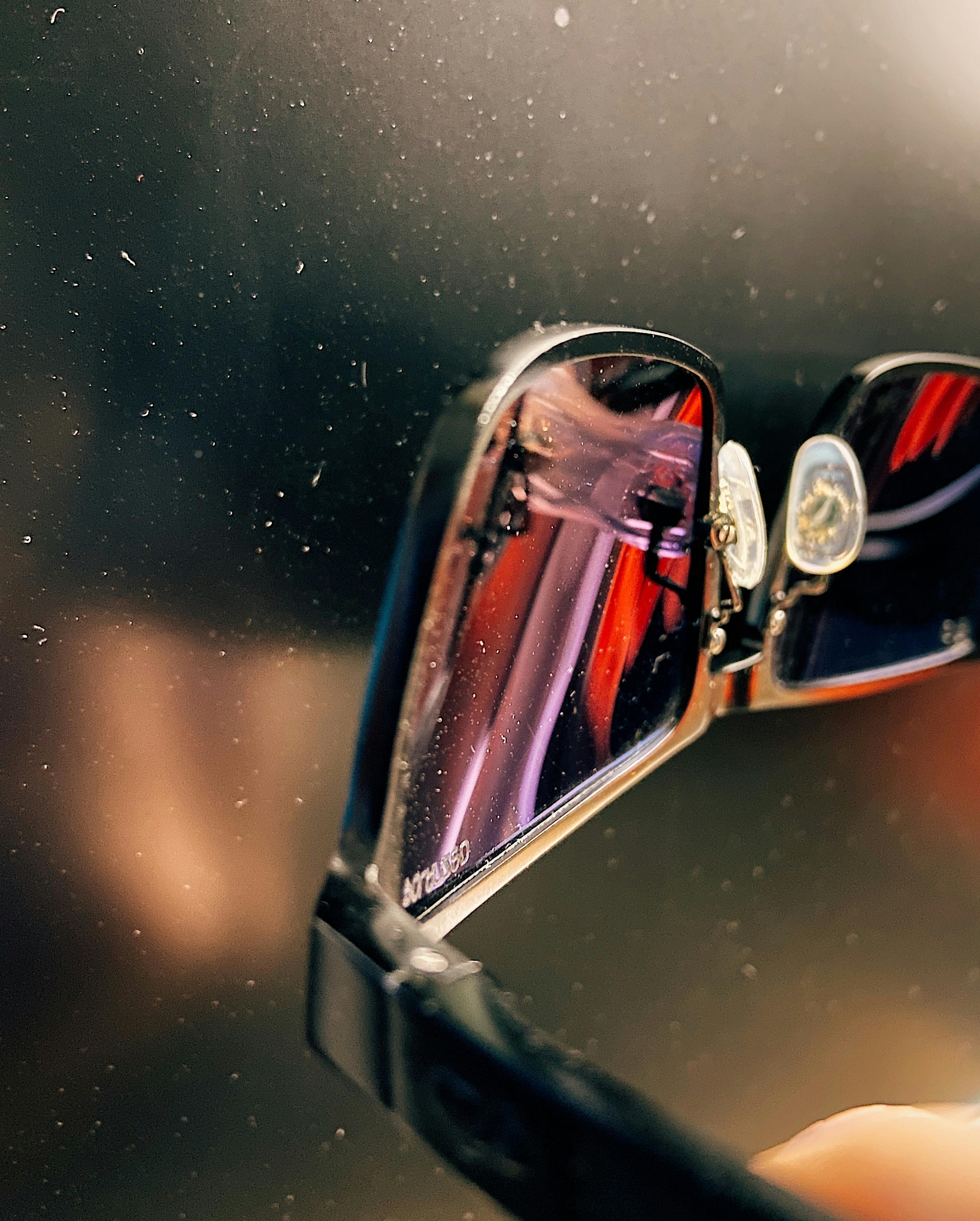
Light bends before it reaches you.
K
E R N
O P T I C A L
F R A M E L E N S
4 8 2 1 1 4 5
CLEAR
Our standard prescription lens with hard coating and full UV filtration.
Reduced thickness for moderate prescriptions.
Thinner profiles where lens power requires it.
Maximum thickness reduction for stronger prescriptions.
FIT / 03
Millimetres matter.
Proper eyewear fit is not just frame width. Bridge geometry, optical centre, vertex distance, pantoscopic angle and temple position all contribute.
PD
vertex
tilt
Pupillary distance
Positions the optical centres of the lenses relative to your eyes.
Bridge
Controls where the frame sits, not simply how wide the nose opening is.
Vertex distance
The distance from the rear lens surface to the eye becomes increasingly important at higher powers.
Pantoscopic tilt
The angle of the lenses relative to the face affects both fit and optical performance.
THE BENCH / 04
Glasses should be serviceable.

adjustment
bridge / temple / alignment
repair
screws / pads / hinges
lens replacement
existing compatible frames
refit
after prescription or lens changes
RX
R
SPH
CYL
AXIS
ADD
—
—
—
—
L
SPH
CYL
AXIS
ADD
—
—
—
—
PRESCRIPTION WORK
Prescription changes
the whole object.
Single vision, occupational, progressive and sun prescriptions. Lens recommendations are based on prescription, frame geometry and intended use.
KERN
OPTICAL
Frames should fit. Lenses should be correctly specified. Glasses should disappear when you wear them.